
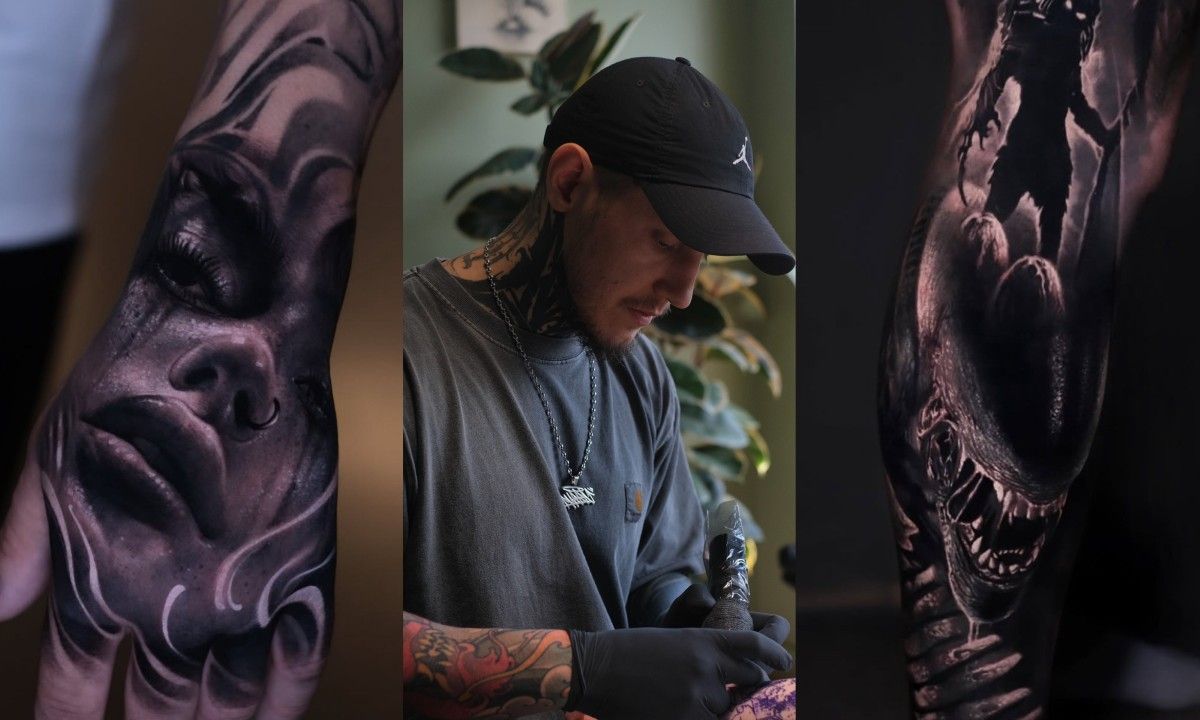
What makes a portrait tattoo look realistic?
A realistic portrait is built on values, not outlines. The artist controls soft transitions, contrast, and edge quality so the tattoo reads as skin, bone structure, and light rather than a shaded drawing.
Good portrait work also respects anatomy and expression. If the eyes are slightly off, the whole piece feels wrong, so the artist’s accuracy matters more than how “detailed” it looks up close.
How can someone spot the best portrait tattoo artist in Sydney?
When looking for the best portrait tattoo artist Sydney, they can start by checking healed photos, not just fresh ones. Fresh portraits can look sharp because the skin is irritated; healed work shows whether the values were built correctly and whether the piece stayed readable.
When choosing the best portrait tattoo artist Sydney, they should also look for consistency across many faces. One great portrait can be luck; a portfolio full of strong likenesses in different lighting and skin tones shows real skill.
What portfolio details matter most for portrait tattoos?
They should look for faces that read clearly from about one to two metres away. If the portrait only works when zoomed in, the contrast is likely too low.
They should also check how the artist handles hair, pores, and clothing textures. The best realism artists simplify texture so it supports the face instead of turning into noisy shading that blurs with age.
Should they choose black and grey or colour for a realistic portrait?
Black and grey is often the safest option for longevity and readability. It relies on value structure, which tends to hold up better as the tattoo settles.
Colour can be stunning, especially for vibrant lighting or lifelike skin tones, but it demands tighter colour control and careful aftercare. They should choose colour only if the artist has many healed colour portraits in their portfolio.
Where should a portrait tattoo be placed for the best realism?
They should pick a flat or gently curved area with enough space, such as the upper arm, thigh, calf, chest, or upper back. Portraits need room for smooth gradients and correct proportions.
They should avoid tiny placements for high realism. A small portrait forces the artist to compress values, and fine facial detail is usually the first thing to soften over time.
How big should a portrait tattoo be to stay readable?
Bigger is almost always better for realism. More surface area lets the artist separate features with value, not harsh outlines, which improves longevity.
As a rough guide, many portraits perform best when they are at least palm-sized or larger, depending on the level of detail and the body area. The artist should recommend sizing based on the reference and placement.
What reference photo should they bring to a portrait tattoo appointment?
They should bring a high-resolution photo with clear lighting and sharp focus, ideally taken in natural light. A face shot with visible catchlights in the eyes and clear shadow structure gives the artist what they need.
They should avoid heavy filters, low light, and extreme wide-angle selfies. If the reference is distorted, the tattoo will be distorted too unless the artist rebuilds the face from multiple images.
How can they judge whether an artist can capture likeness?
They can compare the tattoo to the reference and check the “big shapes” first. If the eye spacing, nose length, and mouth placement match, likeness usually follows.
They should also look at expression and eye detail in the portfolio. Many weak portraits fail in the eyelids and pupils, creating a blank stare that does not resemble the person.
What questions should they ask before booking a portrait tattoo in Sydney?
They should ask to see healed portrait work similar in size and style to what they want. They should also ask how the artist approaches contrast, how many sessions they expect, and what they recommend for placement.
They should clarify whether the artist designs from one photo or multiple references. A professional portrait artist usually prefers several options so they can choose the best lighting and angle.
How does the consultation process lead to realistic ink?
A strong consultation locks in expectations early. The artist explains what will and will not translate into skin, then adjusts size, contrast, and composition to make the portrait readable.
They should also discuss surrounding elements, such as smoke, flowers, frames, or typography. These additions can elevate the piece, but they should never compete with the face.
What are the biggest mistakes people make with portrait tattoos?
They choose an artist based on popularity rather than proven portrait results. Realism is a specialist skill, so a great traditional or fine-line artist may not be the right fit for portraits.
They also try to go too small, pick a weak reference, or ask for excessive micro-detail. Those choices often lead to muddiness, especially after healing and a few years of natural fading.
How should they prepare for a portrait tattoo session?
They should arrive rested, hydrated, and having eaten a solid meal. Realism sessions can be long, and stable blood sugar helps with endurance and reduces movement.
They should avoid alcohol the day before and follow any studio guidance on caffeine and blood-thinning medication. Clean, moisturised skin helps the stencil and shaving process go smoothly.
What aftercare helps a realistic portrait heal cleanly?
They should follow the studio’s aftercare exactly and keep the tattoo clean and lightly moisturised. Overwashing, heavy ointment layers, and picking at flakes can damage smooth shading.
They should also protect the tattoo from sun exposure during healing and long term. UV is a major reason portraits lose contrast, and contrast is what makes realism look real. Check out more about personal hygiene and it’s importance.
How can they make sure the portrait tattoo ages well?
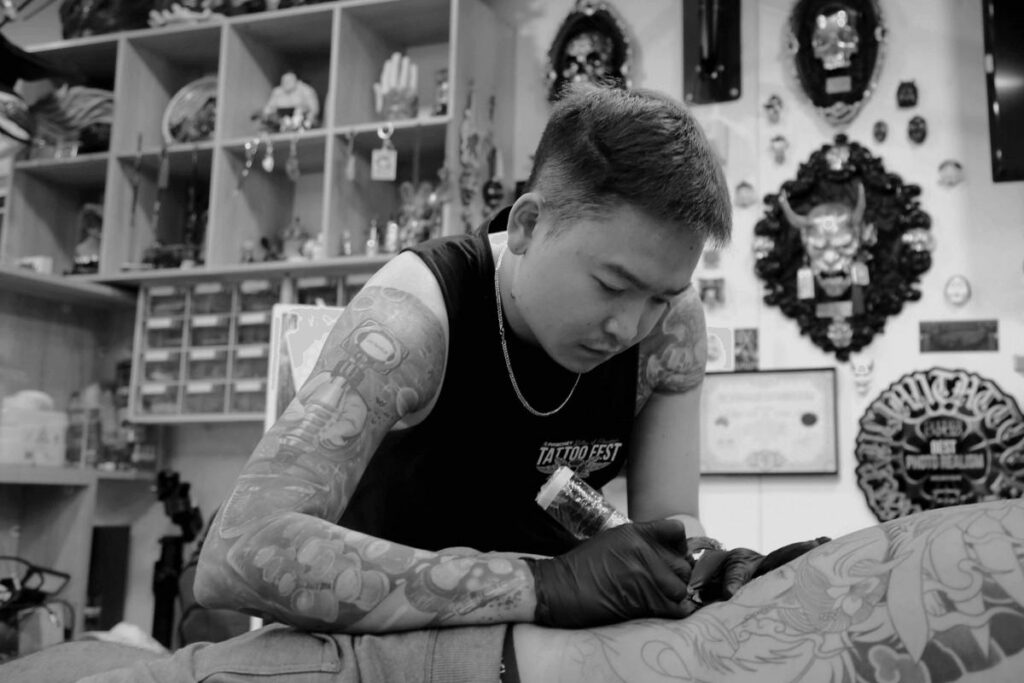
They should prioritise contrast and simplicity over tiny texture. A portrait that reads clearly with strong value structure will still read clearly as it softens slightly over time.
They should also plan for touch-ups if needed, especially with very soft black and grey work or colour realism. A quick contrast refresh years later can bring a portrait back to life.
How do they choose the right Sydney studio for a portrait tattoo?
They should choose a studio that shows healed realism work, follows strict hygiene standards, and runs professional consultations. A clean environment and clear process often correlate with better outcomes.
They should also look for artists who specialise in portraits regularly. The best portrait tattoo artist for someone in Sydney is usually the one whose portfolio matches the exact style they want, backed by healed results and a consultation that feels precise and honest.
More to Read : Who Is the Best Tattooist in Sydney for Your Style?
FAQs (Frequently Asked Questions)
What defines a realistic portrait tattoo and how is it achieved?
A realistic portrait tattoo is defined by its use of values rather than outlines, with the artist controlling soft transitions, contrast, and edge quality to depict skin, bone structure, and light accurately. Precision in anatomy and expression is crucial; even slight inaccuracies in features like the eyes can make the tattoo feel off.
How can I identify the best portrait tattoo artist in Sydney for realistic work?
Look beyond hype by examining healed photos rather than just fresh tattoos to assess value construction and readability over time. Consistency across multiple portraits showing strong likenesses in various lighting and skin tones indicates true skill. Choose an artist whose portfolio aligns with your desired style and who offers professional consultations.
Should I opt for black and grey or colour for my realistic portrait tattoo?
Black and grey tattoos are generally safer for longevity and readability due to their reliance on value structure, which holds up better as tattoos settle. Colour can offer stunning vibrancy but requires precise colour control, careful aftercare, and should only be chosen if the artist has extensive healed colour portrait experience.
What placement and size considerations ensure the best realism for a portrait tattoo?
Select flat or gently curved areas with ample space such as the upper arm, thigh, calf, chest, or upper back to allow smooth gradients and correct proportions. Portraits should be at least palm-sized or larger to maintain feature separation through value rather than harsh outlines, enhancing longevity and readability.
What type of reference photo should I bring to my portrait tattoo appointment?
Bring a high-resolution photo with clear lighting and sharp focus, ideally taken in natural light. The face should have visible catchlights in the eyes and clear shadow structure. Avoid heavily filtered images, low light photos, or extreme wide-angle selfies to prevent distortion that could affect likeness.
How do I prepare for a portrait tattoo session to ensure the best outcome?
Arrive rested, hydrated, and having eaten a solid meal to maintain stable blood sugar during potentially long realism sessions. Avoid alcohol the day before and follow studio advice regarding caffeine or blood-thinning medications. Clean, moisturised skin aids stencil application and shaving processes for optimal results.