
AQF Level 3 usually signals a qualified arborist who can assess trees, plan work, and perform a wide range of practical arboriculture tasks. It does not automatically authorise every type of tree work, especially where regulated trees, powerlines, traffic control, or high risk machinery are involved.
What does “AQF Level 3 arborist” actually mean?
It generally means they hold a Certificate III qualification in arboriculture (or an equivalent pathway recognised in Australia). That qualification typically covers tree biology, pruning principles, risk assessment basics, and practical arborist techniques.
It is a strong baseline, but “legal” permission still depends on state and council rules, workplace safety duties, and task specific licensing. Their qualification supports competency, yet it does not override local regulations.
What tree work can they usually perform on a standard residential block?
They can typically carry out routine arborist services such as formative pruning, deadwood removal, crown cleaning, and general tree maintenance. They can often recommend and implement pruning that aligns with accepted standards, provided the work does not breach local tree protection laws.
They can also commonly remove small to medium trees where access and hazards are manageable, and where removal is not restricted by council controls or environmental overlays.
Can they legally prune or remove any tree the owner asks for?
No. Even with AQF Level 3, they cannot lawfully prune or remove trees protected under local laws without the required approvals. Many councils regulate “significant” trees by species, trunk diameter, heritage listing, or location, and penalties can apply to both the contractor and the property owner.
They also cannot lawfully perform work that is unsafe or outside their competency, even if an owner insists. Safety and due diligence obligations still apply.
Can they prepare arborist reports for council applications?
They can often produce basic condition assessments and written recommendations, but whether their report is accepted depends on the council and the purpose of the report. Some councils require an AQF Level 5 consulting arborist for development applications, significant tree disputes, or legal matters.
An AQF Level 3 arborist may still be valuable for practical advice, photos, defect observations, and maintenance planning, but owners should confirm the council’s minimum reporting requirements before paying for a report.
Can they climb trees and perform aerial pruning or removals?
They can, provided they are trained and competent in climbing operations and the task is planned and supervised in line with safety requirements. AQF Level 3 often aligns with operational arborist work, including climbing, rigging, and aerial cutting, but competency must match the specific technique and hazard level.
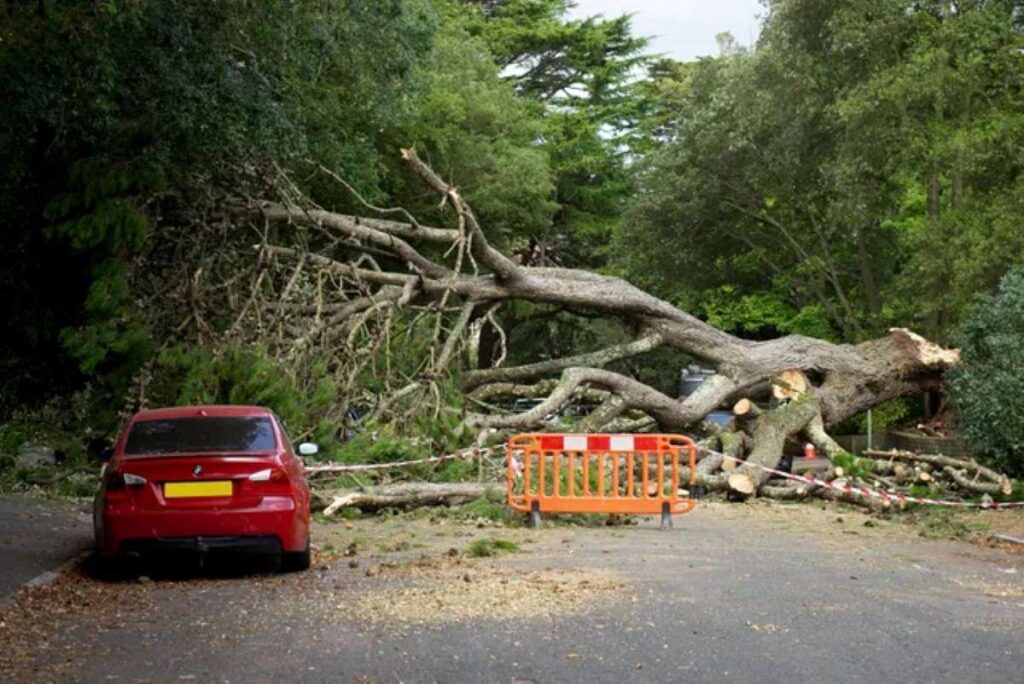
They must also use compliant equipment and safe work methods. If the tree is complex, storm damaged, or near targets like roofs and pools, additional expertise or a more specialised crew may be required.
Can they do tree removal close to powerlines?
Not automatically. Work near electrical assets is heavily regulated and typically requires specific training, authorisation, and compliance with exclusion zones. If branches are within the regulated distances, only appropriately authorised line clearance workers or utility approved contractors may be allowed to proceed.
Even if they are highly skilled, they may need to refer the job to the electricity distributor or a specialist contractor. “AQF Level 3” alone does not grant powerline clearance authority.
Can they use chainsaws and chippers on residential properties?
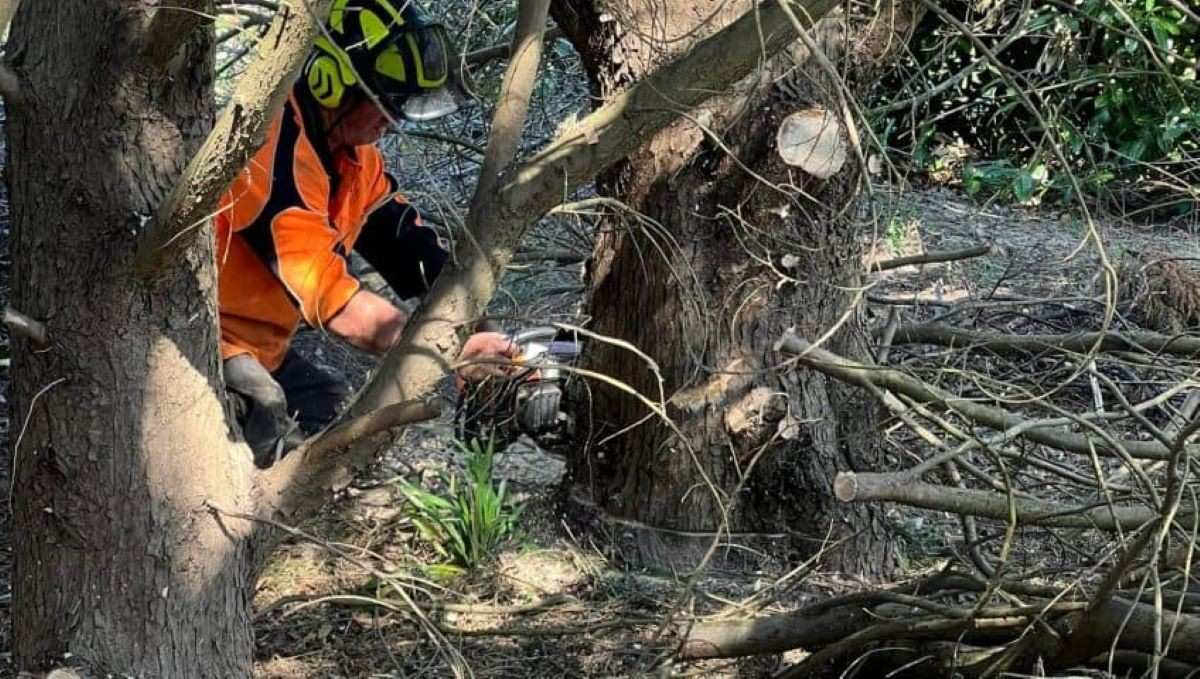
They can usually operate chainsaws and wood chippers as part of arborist work, but they must do so under workplace safety laws and manufacturer requirements. Many employers also require documented competency (for example, chainsaw units of competency) and site specific risk controls.
Noise rules, working hours, and safe chipper placement can also affect what is permitted in suburban settings. They must manage debris, pedestrian safety, and property protection.
Can they remove stumps and grind roots?
They can often arrange or perform stump grinding, but it depends on equipment access, underground services, and their insurance coverage. On residential blocks, they should confirm dial before they dig information and manage hazards like rocks, fences, and nearby glazing.
They also need to consider whether grinding may impact adjacent trees, retaining walls, or shared boundaries. In some cases, a separate specialist stump grinding operator is used.
Can they work on boundary trees or trees affecting neighbouring properties?
They can work on boundary related trees, but only with proper authority. If a tree is wholly on one property, the owner can usually authorise work, but branches and roots crossing boundaries can create legal disputes.
They should avoid entering neighbouring land, removing limbs over a neighbour’s side, or disposing of debris onto adjacent property without permission. Where disputes exist, owners may need written neighbour consent or formal processes under local tree dispute frameworks. Read more about reducing waste.
What licences, permits, or extra tickets might still be required?
They may still need permits for protected tree works, and additional credentials for high risk activities. Examples include traffic management for work near roads, elevated work platform operation where relevant licensing applies, or specialist rigging for complex lifts.
They also need appropriate insurances such as public liability, and in business settings, they must meet workplace health and safety duties. The “legal” side is often about the system around the work, not just the cut.
How can homeowners check what they can legally do before booking?
They should ask for the arborist’s qualification details, insurances, and a written scope of work. They should also ask whether council approval is needed and who is responsible for obtaining it.
A reliable arborist will clarify constraints early, especially for protected trees, powerline proximity, and access issues. If the arborist guarantees “no permit needed” without checking, that is a red flag. Click here to get more about Lane Cove tree removal: Permits, Safety and What to expect.
What is the safest summary of what they can legally do?
They can legally do a wide range of residential arborist tasks when they are competent, insured, and compliant with local laws and safety rules. They cannot override council protections, powerline regulations, or workplace safety requirements.
For owners, the best approach is simple: confirm permits, confirm exclusions, and insist on a clear, written plan that matches the site’s risks and the local rules.
FAQs (Frequently Asked Questions)
What qualifications does an AQF Level 3 arborist hold and what does it mean?
An AQF Level 3 arborist generally holds a Certificate III qualification in arboriculture or an equivalent recognised pathway in Australia. This qualification covers tree biology, pruning principles, risk assessment basics, and practical arborist techniques, indicating a strong baseline competency for various arboriculture tasks.
What types of tree work can an AQF Level 3 arborist legally perform on a residential property?
They can typically perform routine arborist services such as formative pruning, deadwood removal, crown cleaning, general tree maintenance, and removal of small to medium trees where access and hazards are manageable. However, all work must comply with local council controls, environmental overlays, and tree protection laws.
Can an AQF Level 3 arborist prune or remove any tree requested by the homeowner?
No. Even with AQF Level 3 qualifications, they cannot lawfully prune or remove trees protected under local laws without required approvals. Many councils regulate significant trees based on species, size, heritage listing, or location. Performing unauthorized work may result in penalties for both the contractor and property owner.
Are AQF Level 3 arborists authorized to work near powerlines?
Not automatically. Work near electrical assets is heavily regulated and requires specific training, authorisation, and adherence to exclusion zones. Only authorised line clearance workers or utility-approved contractors may perform such work. An AQF Level 3 qualification alone does not grant powerline clearance authority.
Can an AQF Level 3 arborist prepare reports for council applications related to tree work?
They can often produce basic condition assessments and written recommendations; however, acceptance of these reports depends on the council’s requirements. Some councils require reports from higher-qualified consulting arborists (AQF Level 5) for development applications or significant tree disputes. It’s important to confirm council reporting standards before commissioning a report.
What additional licenses or permits might be required for certain arborist activities despite having an AQF Level 3 qualification?
Additional credentials may be necessary for high-risk activities such as traffic management near roads, operating elevated work platforms requiring licensing, specialist rigging for complex lifts, and permits for protected tree works. Compliance with workplace health and safety duties and holding appropriate insurances like public liability are also essential.