
When it comes to maintaining the health and aesthetics of your trees, hiring a professional tree lopper is essential. However, with numerous options available, selecting the right service can be daunting. To help you navigate this process, here are six crucial questions to ask before making your decision. These questions will not only ensure you find a qualified professional but also help you understand the complexities involved in tree lopping.
1. Are You Fully Insured and Licensed?
One of the first questions to pose to potential tree Loppers is whether they hold the necessary insurance and licensing. In Australia, tree lopping can be a hazardous job, and accidents can happen. A reputable tree lopper should have public liability insurance to cover any damages or injuries that may occur during the job. This protects you as the homeowner from potential liabilities.
Additionally, check if they possess the appropriate licences required by local councils or state regulations. This not only ensures they are qualified to perform the work but also indicates that they adhere to industry standards and regulations.
Why Insurance Matters
Insurance is crucial in the tree lopping industry due to the inherent risks involved. According to Tree Care Industry Magazine, tree workers face a significantly higher risk of fatal incidents compared to other professions. Therefore, hiring an insured professional provides peace of mind, knowing that you won’t be held financially responsible for any accidents that may occur on your property.
2. What Experience Do You Have?
Experience is a vital factor when hiring a tree lopper. Inquire about their background in the industry, including how long they have been operating and the types of projects they have handled. A seasoned professional will have dealt with various tree species and conditions, which is essential for effective and safe lopping.
Moreover, ask for references or testimonials from previous clients. This will give you insight into their work ethic, reliability, and the quality of their services. A reputable tree lopper should be more than willing to provide this information.
Specialisation in Tree Types
Different tree species require different lopping techniques. For instance, eucalyptus trees may need a different approach compared to fruit trees. Understanding the specific experience the lopper has with your type of tree can significantly affect the outcome of the job. A professional familiar with your tree species will be better equipped to handle any unique challenges that may arise.
3. What Techniques and Equipment Do You Use?
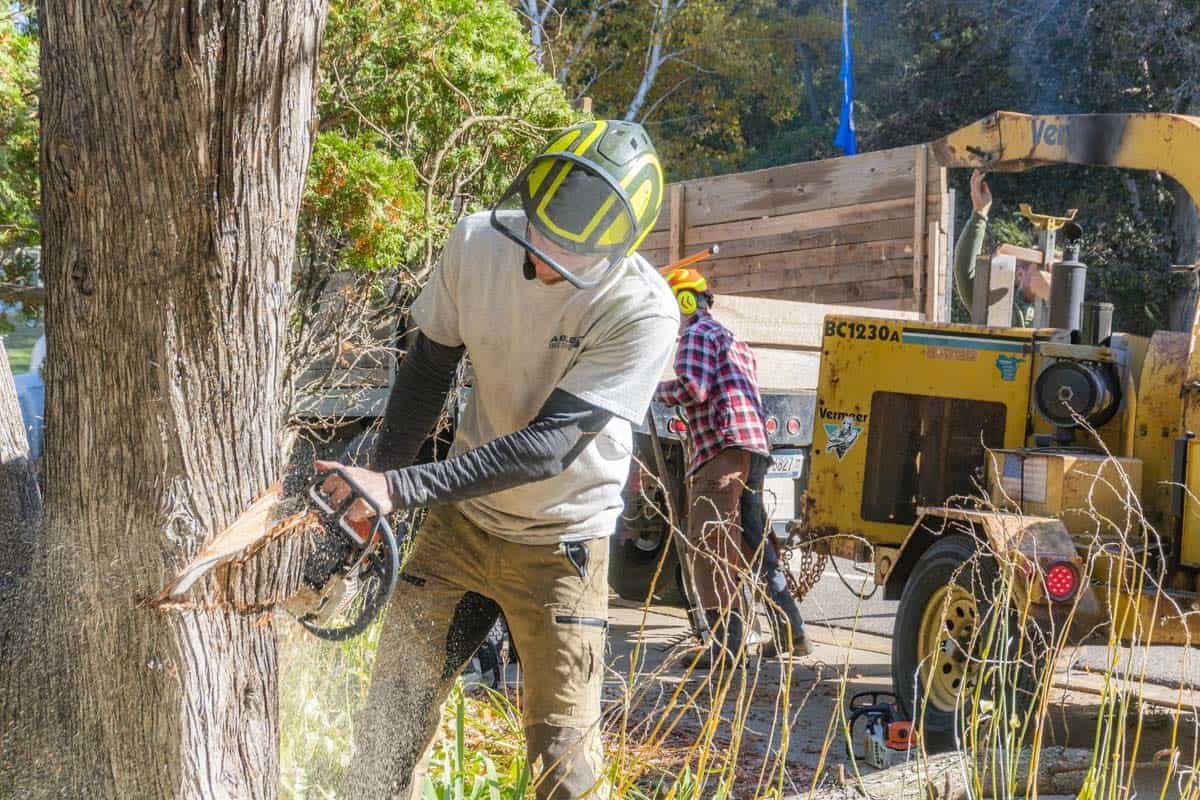
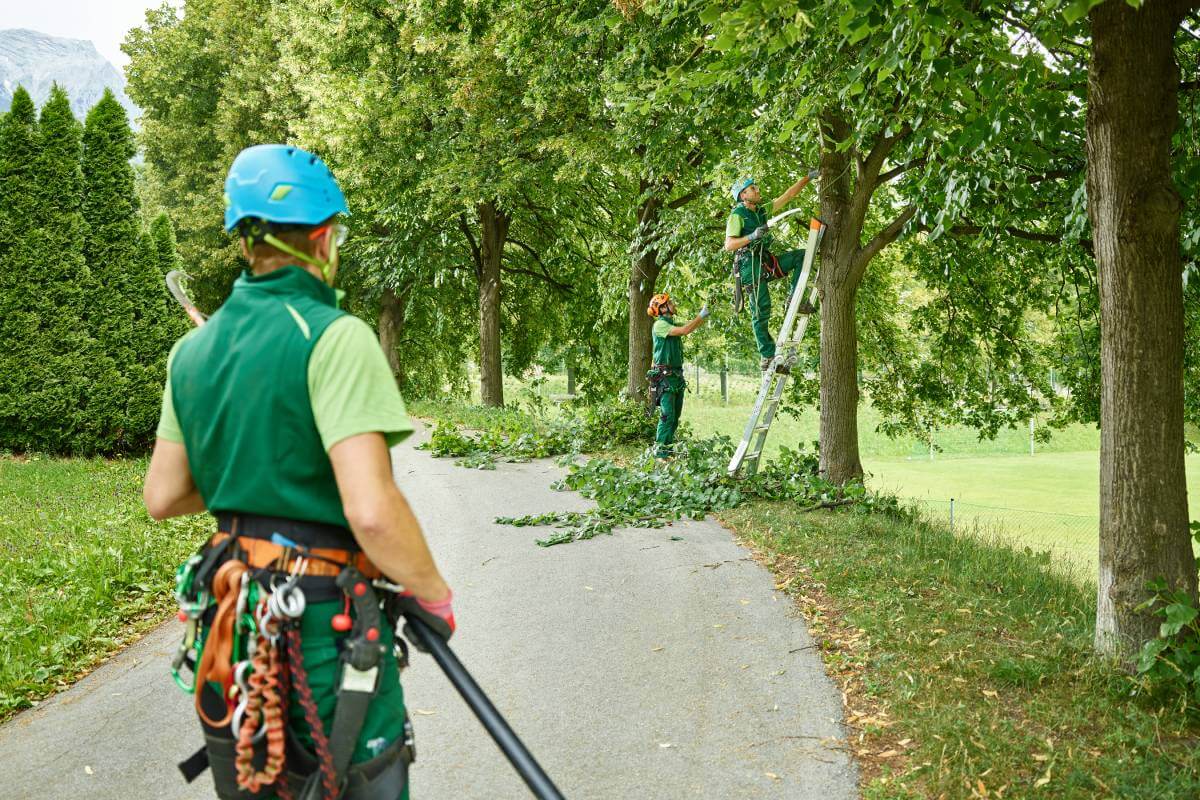
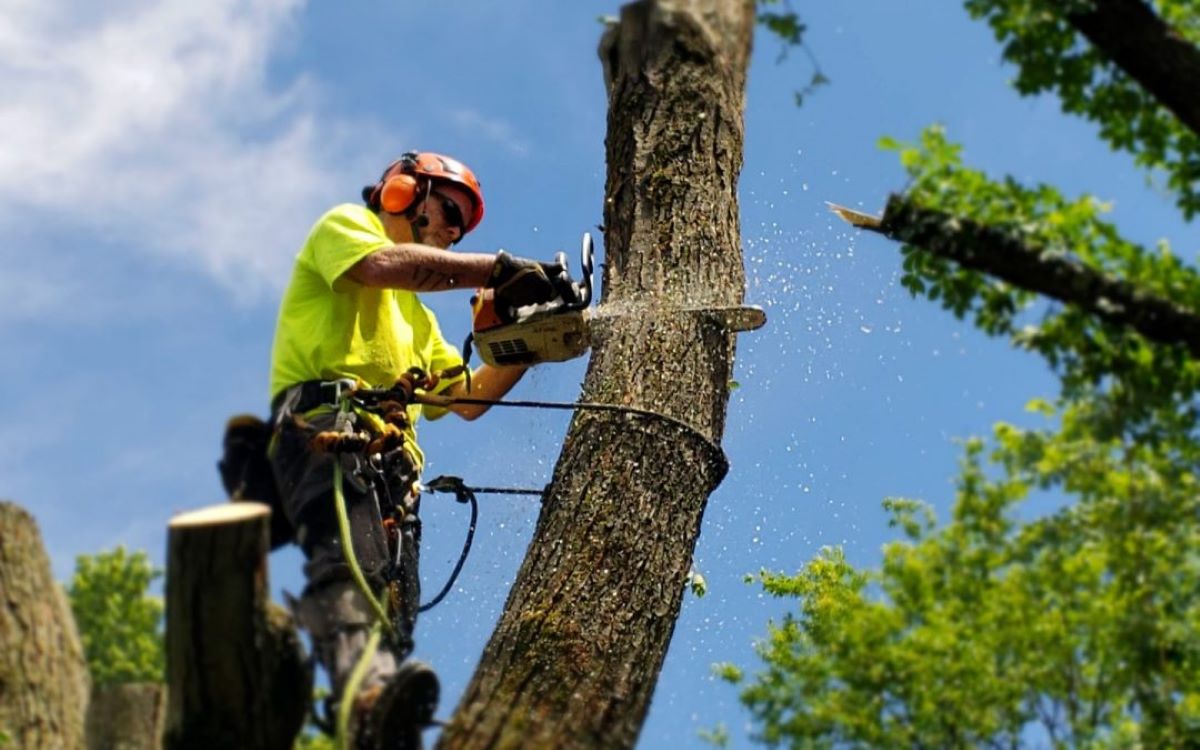
Tree lopping is not just about cutting branches; it involves a range of techniques and equipment tailored to the job at hand. Ask the lopper about the methods they employ, such as whether they use climbing gear, ropes, or aerial lifts. This will give you an idea of their approach to safety and efficiency.
Additionally, inquire about the equipment they use. Modern, well-maintained tools are essential for effective tree lopping. For instance, in October 2023, Andreas Stihl AG & Co. launched new battery-powered pruners designed for enhanced manoeuvrability and stability, which can significantly improve the quality of work performed.
Safety Protocols
Safety should be a top priority for any tree lopper. Inquire about the safety protocols they follow to protect both their team and your property. This includes wearing personal protective equipment (PPE), having a first aid kit on hand, and following industry safety standards. A professional tree lopper will have a comprehensive safety plan in place to mitigate risks associated with tree lopping.
4. Can You Provide a Written Estimate?
Before any work begins, it is crucial to obtain a written estimate detailing the scope of work and associated costs. This document should outline the services to be provided, the estimated time frame, and the total cost, including any potential additional charges. A professional tree lopper will be transparent about their pricing and willing to provide a detailed breakdown.
Having a written estimate protects you from unexpected costs and ensures that both parties have a clear understanding of the project. It also serves as a reference point should any disputes arise during or after the job.
Understanding Cost Factors
Several factors can influence the cost of tree lopping, including the size and height of the tree, the complexity of the job, and the location of the tree. For instance, trees located near power lines or structures may require more intricate techniques, thus increasing the cost. Understanding these factors can help you make a more informed decision when comparing estimates from different loppers.
5. What Is Your Approach to Tree Health and Preservation?
Tree lopping should not only focus on aesthetics but also consider the health and longevity of the tree. Inquire about the lopper’s approach to tree health and preservation. A knowledgeable professional will assess the tree’s condition and recommend the best course of action, whether that involves lopping, pruning, or even removal.
Furthermore, ask if they have any strategies for preventing pest outbreaks or diseases. Recent studies have shown that AI-powered machine learning models can predict pest outbreaks with 82% accuracy, highlighting the importance of proactive ecosystem management. A tree lopper who stays informed about such advancements can provide better care for your trees.
Environmental Considerations
In addition to tree health, consider the environmental impact of tree lopping. Ask the lopper how they handle waste disposal and whether they offer recycling services for the wood and branches removed. Responsible tree loppers will have a plan in place to minimise waste and promote sustainability, aligning with the growing emphasis on environmental protection in the industry.
6. What Are Your Policies on Follow-Up and Aftercare?
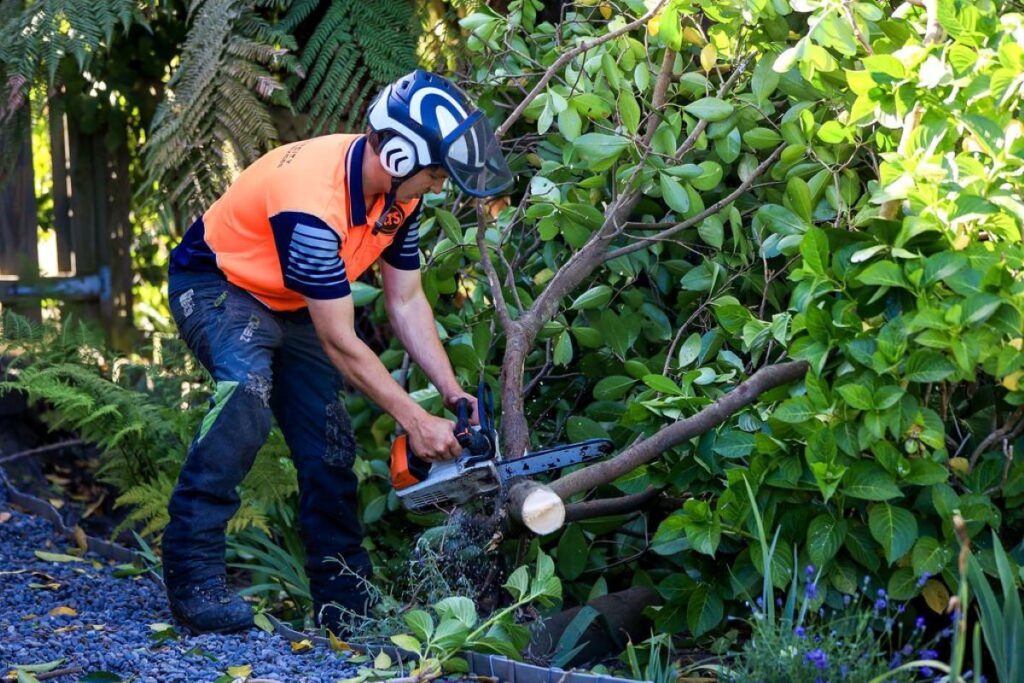
Finally, it is essential to discuss the lopper’s policies regarding follow-up and aftercare. After the lopping is complete, trees may require additional care or monitoring to ensure they recover well. A professional tree lopper should offer guidance on how to care for your trees post-service and be available for follow-up consultations if needed.
Inquire about their warranty or guarantee on the work performed. A reputable tree lopper will stand by their services and be willing to address any issues that may arise after the job is completed. Read more about tree cutting services.
Building a Long-Term Relationship
Establishing a relationship with a reliable tree lopper can be beneficial for ongoing tree maintenance. Regular check-ups and care can prevent larger issues down the line, ensuring your trees remain healthy and beautiful for years to come. By asking the right questions, you can find a professional who not only meets your immediate needs but also supports the long-term health of your trees.
Conclusion
Hiring a tree lopper is an important decision that can significantly impact the health and appearance of your trees. By asking these six questions, you can ensure that you choose a qualified, experienced, and responsible professional. Remember, the right tree lopper will not only enhance the beauty of your landscape but also contribute to the overall health of your trees, making your outdoor space a safer and more enjoyable environment.