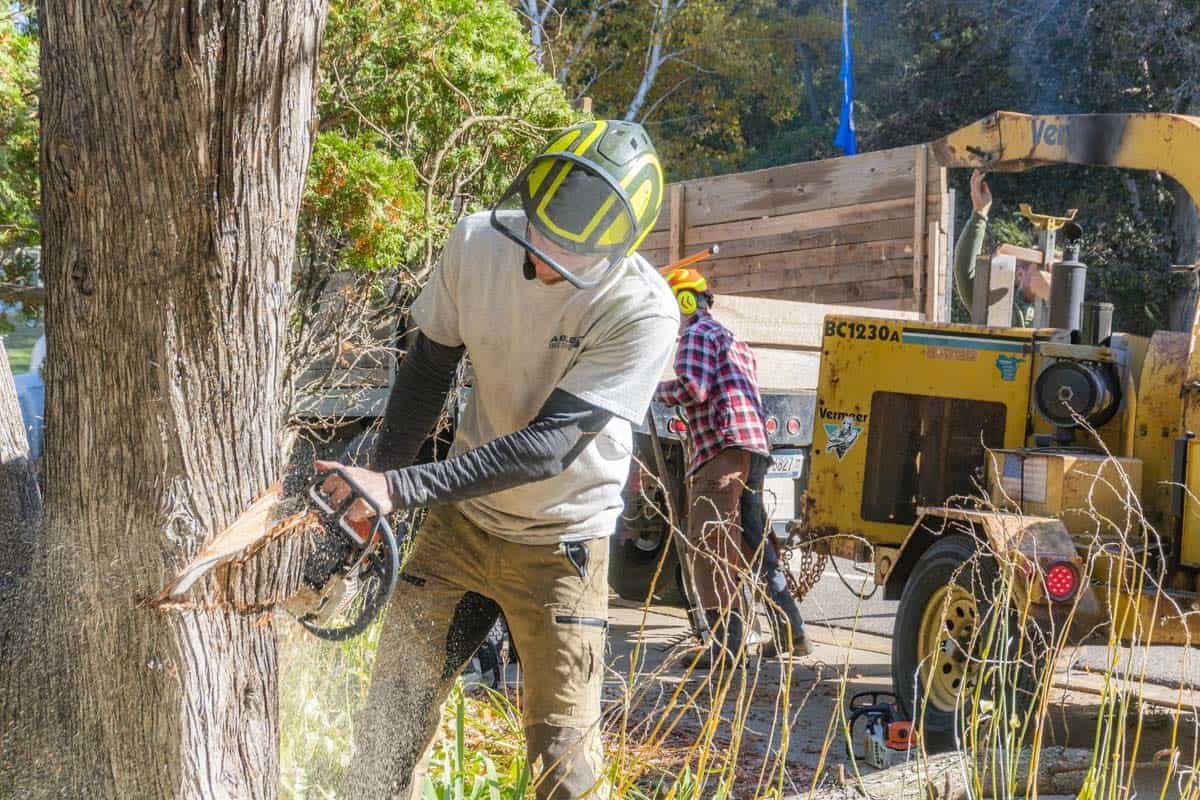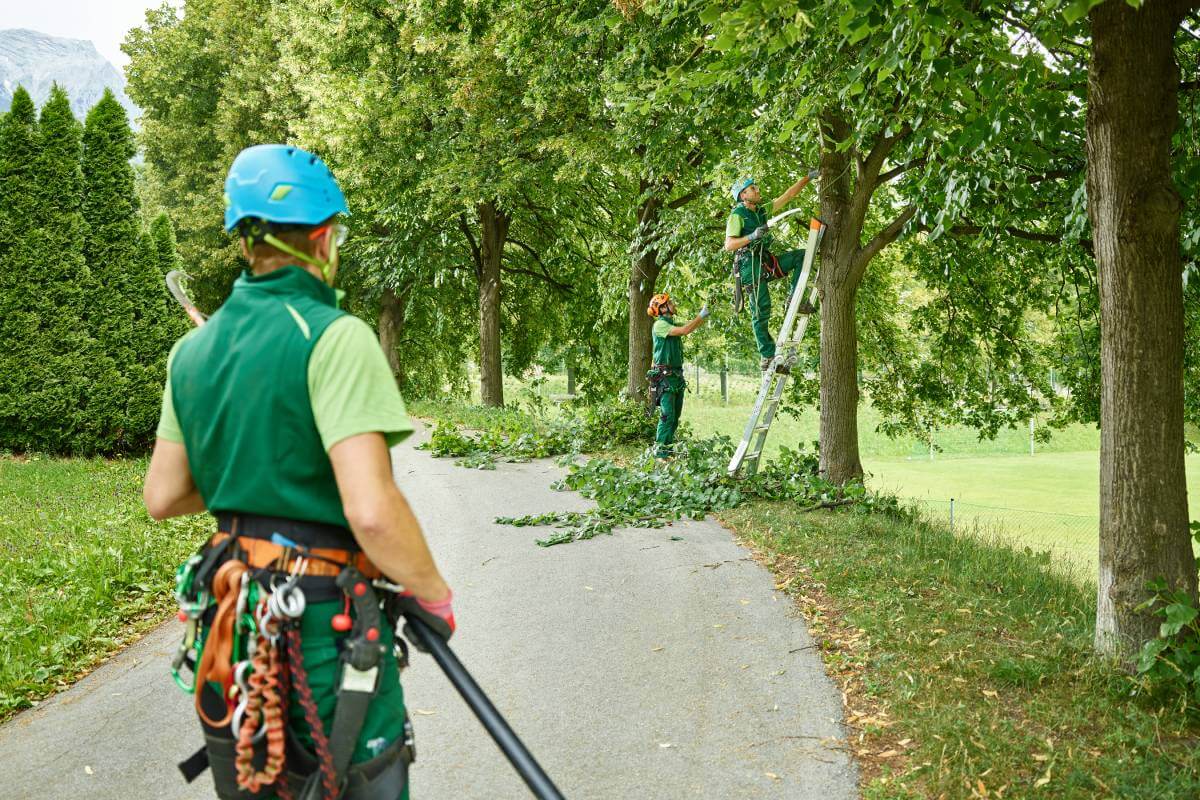

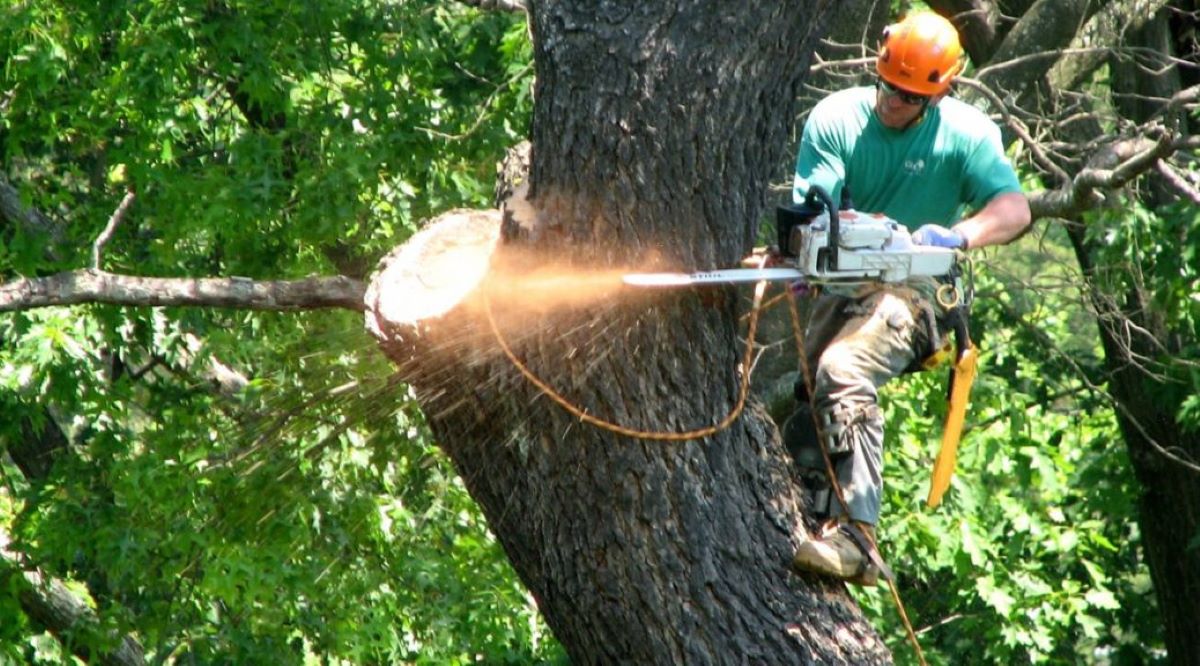
This guide explains what permits are typically required, what a safe job looks like, and what they can expect from quote to cleanup.
Do they need a permit to remove a tree in Lane Cove?
Often, yes. In many cases, Lane Cove tree removal and pruning are controlled by Lane Cove Council through a permit process — a permit must generally be lodged and approved before any works can start for trees that meet protected size criteria (e.g., over 4 m high, trunk diameter > 150 mm, or canopy spread > 5 m).
They should assume approval is required unless they’ve confirmed in writing (or via the council’s published rules) that their specific tree works are exempt or qualify for a fast-tracked Fee-Free Tree Works Permit, which still requires lodgement.
If they remove a tree first and ask later, they risk enforcement action, fines, and replacement orders under the Tree Preservation controls.
Which trees are most likely to be protected?
Trees are more likely to be protected if they are large, in sensitive locations, or part of a mapped environmental area. Some species may also attract extra scrutiny.
Even if a tree is on private property, it may still be regulated. They should also consider whether the tree is on a boundary, near a watercourse, or part of a development approval condition.
Are there exemptions for dead, dangerous, or storm-damaged trees?
Sometimes. Councils often allow limited exemptions for trees that are proven dead, imminently dangerous, or impacted by storms, but the evidence requirements can be strict.
They should document the condition with clear photos and, ideally, an arborist report. If the tree is an immediate hazard, they can still be expected to notify council and keep records.
What documents might they need for a permit application?
Most applications ask for basic site details and a clear reason for removal or major pruning. Supporting evidence can speed things up and reduce back-and-forth.
They may need:
- Photos from multiple angles
- Tree location on a simple site plan
- Arborist report with risk assessment
- Details of proposed replacement planting, if requested
How long does the approval process usually take?
It varies based on workload, tree type, and whether neighbours object. Straightforward applications can move faster, while contentious removals can take longer.
They should plan for delays and avoid booking contractors until they understand the likely timeline. If they are under insurance or urgent repair pressure, they should ask what evidence council accepts for prioritised assessment.
What should they expect from a professional tree removal quote?
A good quote is not just a price. It should explain how they will manage risk, protect property, and dispose of waste.
They should expect the quote to cover:
- Tree size, height, and canopy spread
- Access constraints and equipment plan
- Whether cranes, rigging, or traffic control are needed
- Stump grinding options
- Green waste removal and cleanup level
- Proof of insurance and qualifications
How do they know the job will be done safely?
Safe tree removal is about control, not speed. Professionals typically use exclusion zones, rigging systems, and step-down dismantling to prevent uncontrolled falls.
They should look for signs of a safety-first approach such as pre-start briefings, clear drop zones, and staff in appropriate PPE. If the contractor dismisses risks around powerlines, roofs, or fences, that is a red flag.
What extra risks are common on Lane Cove properties?
Lane Cove blocks often come with tight access, sloping ground, and trees close to homes or neighbouring fences. Those conditions increase complexity and cost.
Common local job constraints include narrow driveways, limited street parking, and garden landscaping that needs protection. They should expect careful lowering of limbs, not free-falling branches, especially near structures.
What happens if the tree is near powerlines?
If branches are near service wires or the main network, they cannot assume a regular crew can handle it. Additional rules and specialist clearance requirements may apply.
They should ask how the contractor manages electrical hazards and whether coordination with the electricity network is required. Work near live lines without proper authorisation can be extremely dangerous and can expose them to liability.
What if the tree sits on a boundary or affects neighbours?
Boundary trees can trigger disputes quickly. Even when a tree is technically on one side, its canopy and roots can impact both properties.
They should confirm the exact boundary, notify neighbours early, and clarify who is responsible for costs. If access is needed from the neighbour’s side, they will usually need written permission.
What is the typical step-by-step process on the day?
Most reputable crews follow a predictable sequence. They secure the area first, then dismantle the tree in controlled sections.
A typical process includes:
- Site setup and exclusion zones
- Protective measures for lawns, gardens, and hardscapes
- Limb removal and controlled rigging where needed
- Trunk sectioning and removal
- Final rake, blow, and debris collection
- Optional stump grinding and backfill
What happens to the stump and roots after removal?
Removal usually leaves a stump unless stump grinding is included. Grinding reduces the stump below ground level and helps with replanting or resurfacing.
They should ask how deep the grind will go and whether surface roots will remain. If they plan to build, pave, or replant, stump grinding is often worth budgeting for upfront.
How much does tree removal in Lane Cove usually cost?
Costs depend on size, access, proximity to structures, and whether permits, cranes, or traffic control are involved. Two similar-looking trees can price very differently because the risk profile changes.
They can reduce surprises by sharing photos, noting access width, and disclosing obstacles like pools, retaining walls, and fragile landscaping. They should also confirm what “cleanup” means, because standards vary.
Other Resources : Drought Resilient Soils and Landscapes grants
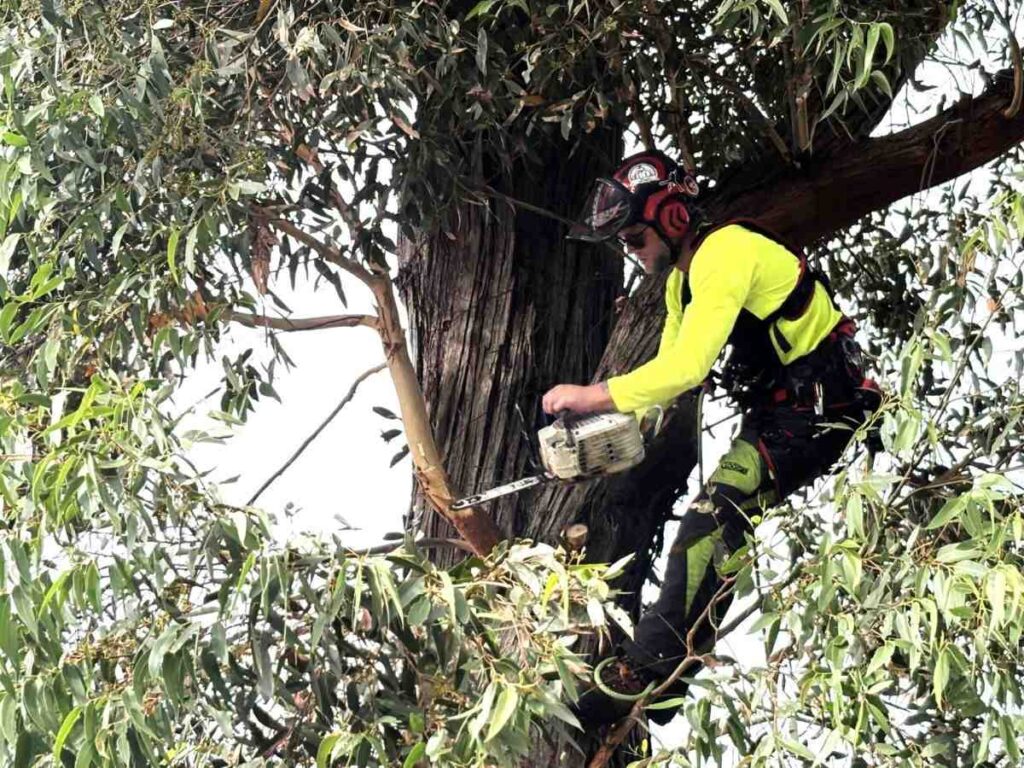
What questions should they ask before booking a contractor?
They should ask questions that confirm competence, not just availability. A short call can prevent expensive problems later.
Useful questions include:
- Are they fully insured, and can they provide certificates?
- Who is supervising the job on-site?
- What is the plan for protecting roofs, fences, and gardens?
- Will they handle permit-related documentation or arborist reports?
- What exactly is included in cleanup and waste removal?
- Is stump grinding included, optional, or excluded?
What should they do after the tree is removed?
They should walk the site before the crew leaves. It is easier to fix issues immediately than to chase follow-ups.
They can check for debris in gutters, leftover woodchips, and damage to paving or garden beds. If a permit required replacement planting, they should keep receipts and photos to show compliance if asked.
How can they avoid problems with council or insurance later?
Documentation is their best protection. They should keep permits, arborist reports, invoices, and dated photos from before and after.
If the removal was related to property damage or risk, they should also keep any insurer correspondence. A clean paper trail helps if questions arise about legality, safety, or responsibility in the future.
Related : What an AQF Level 3 Arborist Can Legally Do on Residential Properties
FAQs (Frequently Asked Questions)
Do I need a permit to remove a tree in Lane Cove?
Often, yes. Lane Cove Council usually requires a permit for tree pruning and removal, especially for larger or protected trees. It’s important to confirm if your tree is exempt in writing or through council rules before proceeding to avoid fines or replacement orders.
Which trees are most likely protected under Lane Cove regulations?
Trees that are large, located in sensitive areas, part of mapped environmental zones, or certain species may be protected. Trees on private property can still be regulated, especially if they are on boundaries, near watercourses, or tied to development approvals.
Are there exemptions for removing dead, dangerous, or storm-damaged trees?
Sometimes. Limited exemptions exist for trees proven dead, imminently dangerous, or storm-affected but require strong evidence like clear photos and ideally an arborist report. Immediate hazards should be reported to the council with proper documentation.
What documents do I need when applying for a tree removal permit in Lane Cove?
Typical applications require basic site details and reasons for removal. Supporting documents such as multi-angle photos, a simple site plan showing tree location, an arborist’s risk assessment report, and proposed replacement planting details can expedite approval.
How long does the tree removal permit approval process take?
Approval times vary based on council workload, tree type, and neighbour objections. Straightforward cases may be quicker while contentious ones take longer. Planning ahead and consulting council about urgent cases can help manage timelines effectively.
What should I expect from a professional tree removal quote in Lane Cove?
A comprehensive quote includes not just price but also risk management plans, property protection strategies, waste disposal methods, equipment needs (like cranes or rigging), stump grinding options, cleanup level details, plus proof of insurance and qualifications.